Food Processing Archives - The United Food & Commercial Workers International Union
https://www.ufcw.org/category/industries/packingprocessing/processing/
Official website of the United Food and Commercial Workers International UnionSun, 31 Oct 2021 13:15:07 +0000en-US
hourly
1 https://wordpress.org/?v=7.1.2https://www.ufcw.org/wp-content/blogs.dir/61/files/2020/08/cropped-android-icon-192x192-1-32x32.pngFood Processing Archives - The United Food & Commercial Workers International Union
https://www.ufcw.org/category/industries/packingprocessing/processing/
3232Danone, Pepsi, and Kraft agree to additional protections for workers during outbreak
https://www.ufcw.org/danone-pepsi-and-kraft-agree-to-additional-protections-for-workers-during-outbreak/
Tue, 24 Mar 2020 00:05:42 +0000http://www.ufcw.org/?p=33052Three more companies, Danone, Pepsi, and Kraft, have agreed to extend additional protections to their employees who are working during the coronavirus outbreak. The UFCW hopes more companies will follow the example and make the necessary changes to protect the workforce that powers America’s food chain. See the agreements from these three companies below: Kraft Workers who […]
Three more companies, Danone, Pepsi, and Kraft, have agreed to extend additional protections to their employees who are working during the coronavirus outbreak. The UFCW hopes more companies will follow the example and make the necessary changes to protect the workforce that powers America’s food chain.
See the agreements from these three companies below:
Kraft
Workers who miss work because of COVID-19 will receive short term disability pay with waived waiting times.
Workers who live in a school district that has shut down will be paid 100 dollars extra per week to help offset the cost of childcare.
Any co-pays on healthcare related to the virus will be waived.
Danone
Hourly workers will receive a premium payment equivalent to 15% of their base hourly rate for all hours worked.
If a worker contracts coronavirus or must stay isolated at home because they have been in close contact with someone with the virus, they are eligible for up to 80 hours of paid quarantine leave.
Workers who have childcare needs are eligible to utilize any state, city or provincial paid sick leave where applicable.
Pepsi
Workers who are diagnosed with COVID-19, showing symptoms, or caring for a family member in their household who has been diagnosed or showing symptoms will receive 100% of their pay for up to 14-days.
Workers who work at a facility that must be closed will receive 100% pay for up to 12 weeks.
Workers who are impacted by school or daycare center closure with no one home to look after a child will receive a minimum of two-thirds of their pay for up to 12 weeks if they are not able to work from home.
Workers are also eligible for free COVID-19 testing, a “Crisis Care” reimbursement of $100 a day for child care, and access to specially trained mental health professionals.
]]>UFCW members hard at work to make Valentine’s Day a little sweeter
https://www.ufcw.org/valentinesday-2/
Fri, 14 Feb 2020 17:58:52 +0000http://www.ufcw.org/?p=32699From flower arrangements to sparkling wines to hand-crafted chocolates, UFCW members have been hard at work to make sure you have what you need to celebrate with your sweetheart this Valentine’s Day. The UFCW represents florists at union grocery stores like Kroger (including Fred Meyer, Ralphs and King Soopers), Albertsons (including Safeway, Vons, Tom Thumb, […]
From flower arrangements to sparkling wines to hand-crafted chocolates, UFCW members have been hard at work to make sure you have what you need to celebrate with your sweetheart this Valentine’s Day.
The UFCW represents florists at union grocery stores like Kroger (including Fred Meyer, Ralphs and King Soopers), Albertsons (including Safeway, Vons, Tom Thumb, Randalls, Cars, Pavilion, Acme, Shaw’s, Star, Jewel-Osco and Lucky), and Supervalu (Cub Foods, Rainbow, and Shoppers Food) just to name a few. Michelle is a florist at Kroger in Texas, where she enjoys creating the perfect floral arrangements and bouquets to help brighten someone’s day. She recently shared how to properly arrange a bouquet in a vase, but if you still need some help, just ask your local union florist and they’ll be happy to share their expertise with you.
UFCW members also make Russell Stover, Ghiradelli and Hershey’s candies in preparation for Valentine’s Day. Members of UFCW Local 5 who make See’s Candies craft each chocolate confection by hand. The Food Network’s Tyler Florence visited UFCW Local 5 members at the See’s Candies factory in San Francisco and got a peek at how these Valentine’s Day treats are made. You can view the video here.
“Growing up with them was awesome,” said Sacramento customer Rachel Martini, who in town from the east coast visiting family. “Literally every time I eat See’s, it’s a little bite of nostalgia. Walking into the shops is a literal treat too. They’re always so kind and inviting and give you free chocolates to try while you walk around. It’s something that hasn’t changed a bit in the last 25 years.”
“Walking into the shops is a literal treat too. They’re always so kind,” says Sacramento See’s candy customer Rachel Martini.
You can pair your chocolates with sparkling wines made by members of UFCW Local 186D, including Andre Champagne, JFJ Champagne, Tott’s Champagne and Wycliff Champagne.
UFCW members also have access to exclusive discounts for Valentine’s Day gifts and beyond, including 25 percent off on flowers and gift baskets. Register here for these discounts and make someone’s Valentine’s Day special.
]]>15 union-made candies for Halloween
https://www.ufcw.org/halloween2019/
Thu, 24 Oct 2019 22:03:43 +0000http://www.ufcw.org/?p=32322As the ghosts and ghouls come out this Halloween, keep your eyes peeled for some of our favorite union-made treats. UFCW members as well as our brothers and sisters of the BCTGM union have been hard at work making sure there’s plenty of sweets for all those trick-or-treaters. 1.) Hershey’s Nuggets / Kisses 2.) Kit […]
As the ghosts and ghouls come out this Halloween, keep your eyes peeled for some of our favorite union-made treats. UFCW members as well as our brothers and sisters of the BCTGM union have been hard at work making sure there’s plenty of sweets for all those trick-or-treaters.
1.) Hershey’s Nuggets / Kisses
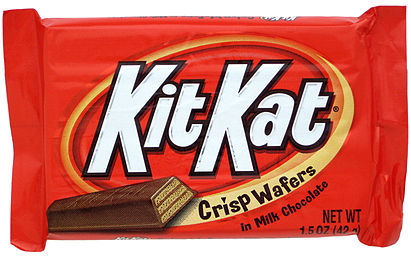
2.) Kit Kat
3.) Butterfinger*
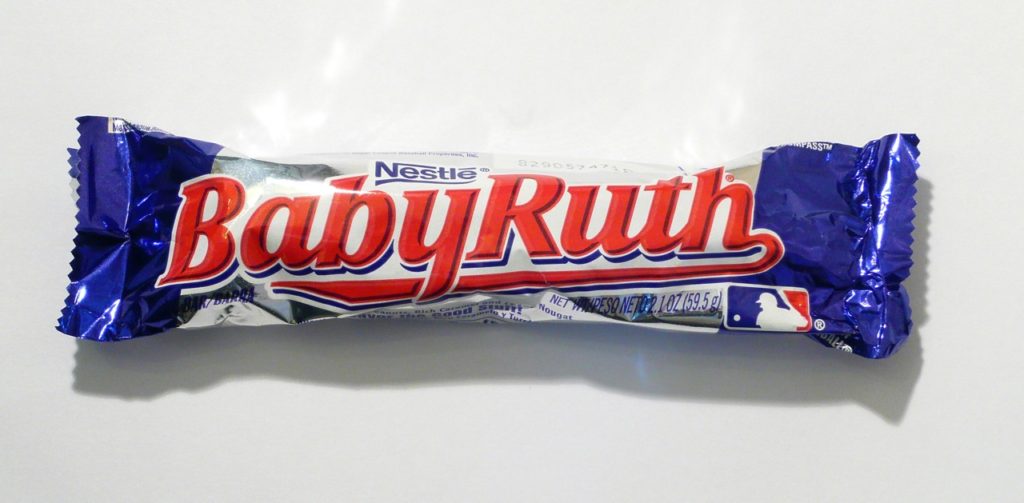
4.) Baby Ruth*
5.) Smarties
6.) Jawbreakers
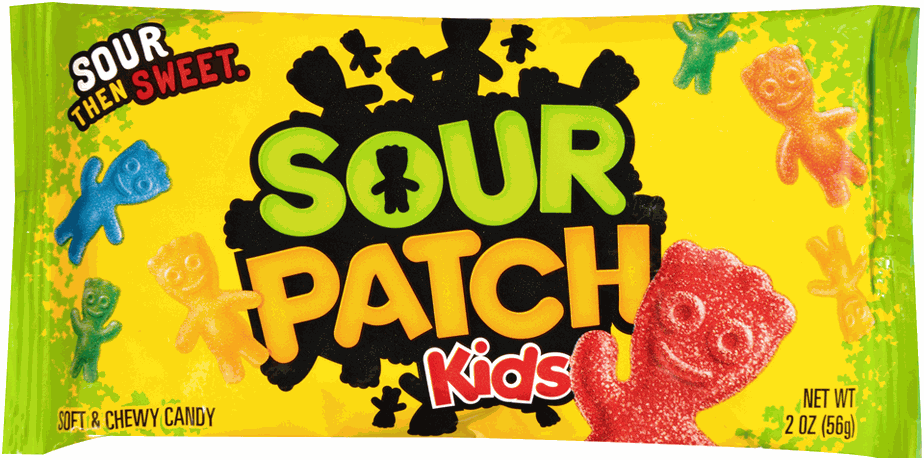
7.) Sour Patch Kids
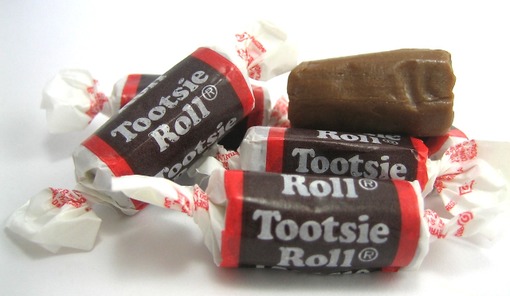
8.) Tootsie Rolls
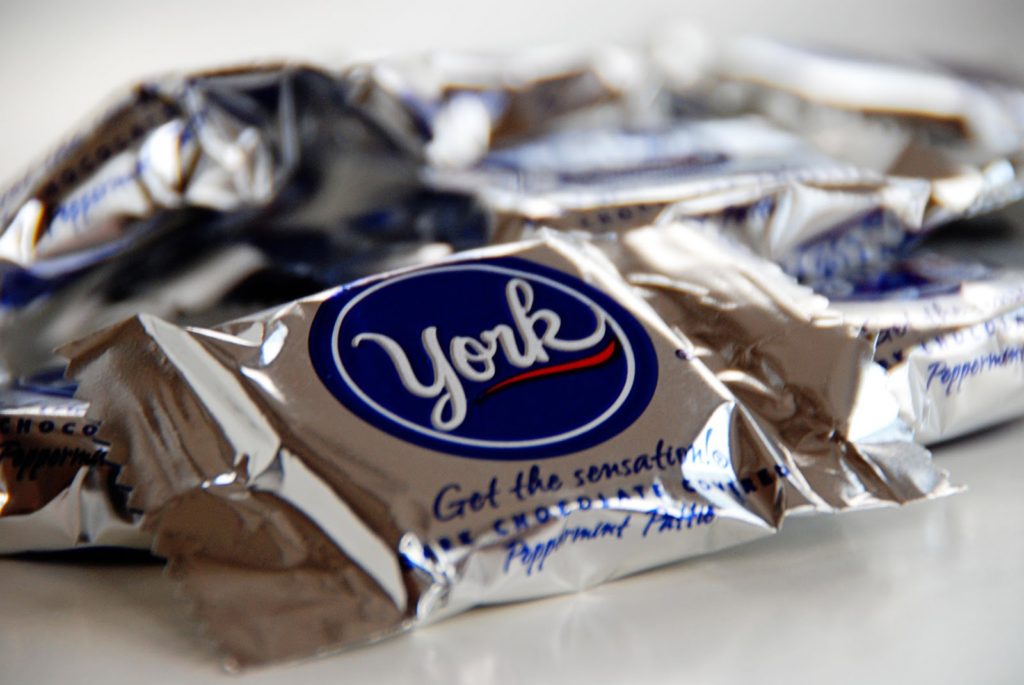
9.) York Peppermint Patties
10.) Jolly Ranchers
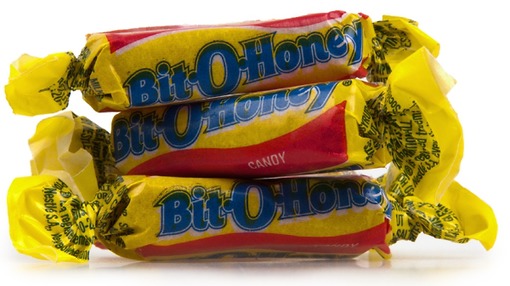
11.) Bit-O-Honey
12.) Mary Jane Peanut Butter Chews
13.) Ghirardelli Chocolate Squares
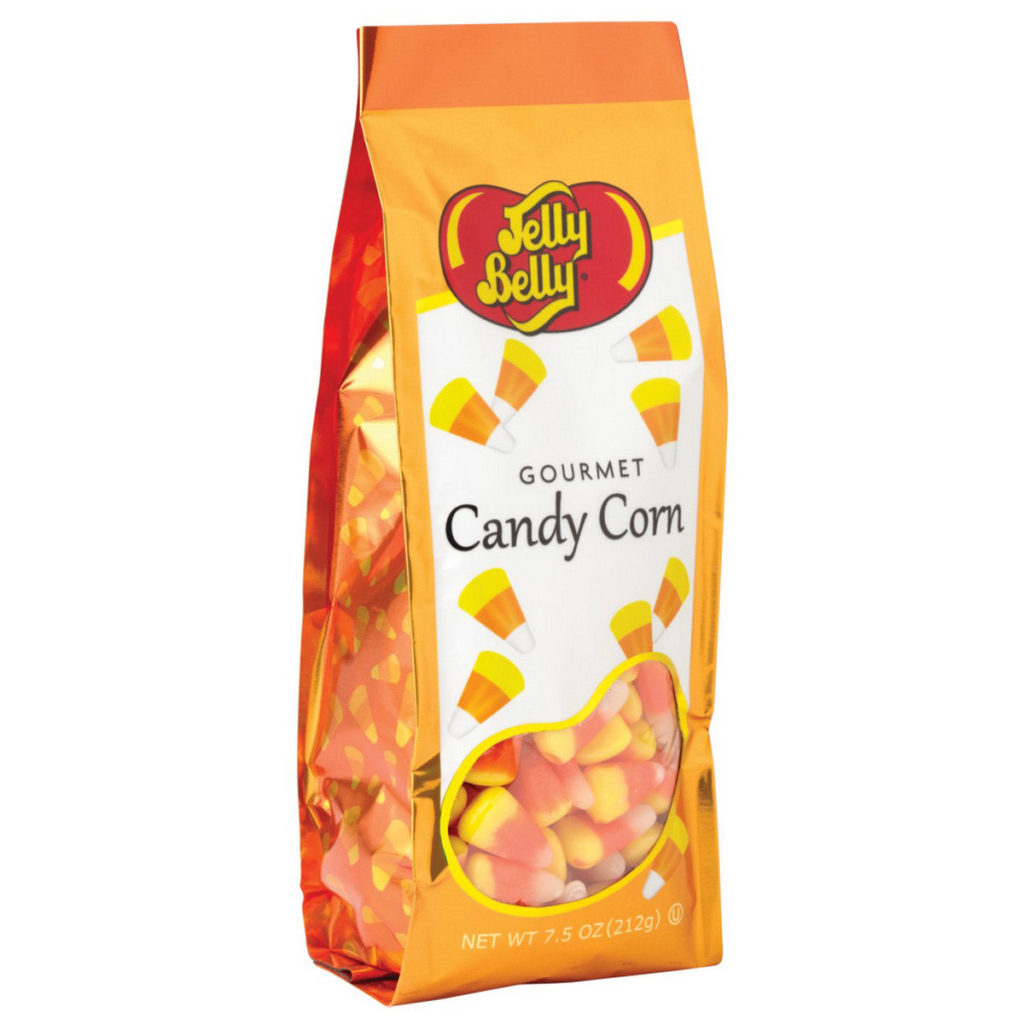
14.) Jelly Belly Candy Corn
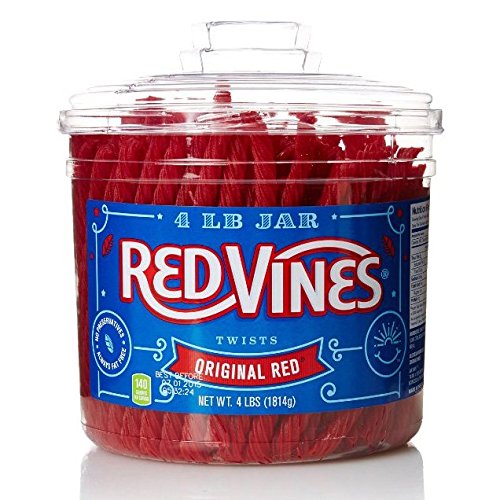
15.) Red Vines
*some made in Mexico. Check packaging for country of origin.
]]>Beyond TSA: how is the shutdown impacting our national food security?
https://www.ufcw.org/beyond-tsa-how-is-the-shutdown-impacting-our-national-food-security/
Fri, 25 Jan 2019 19:01:32 +0000http://www.ufcw.org/?p=30557There have been a number of recent articles highlighting the air-travel safety issues caused by the government shutdown as more and more TSA agents are forced to call out from work. TSA agents are a visible reminder of the work that federal employees do, but some of the most damaging and dangerous impacts from the […]
There have been a number of recent articles highlighting the air-travel safety issues caused by the government shutdown as more and more TSA agents are forced to call out from work. TSA agents are a visible reminder of the work that federal employees do, but some of the most damaging and dangerous impacts from the government shutdown are ones that are also out of sight of the average American. After all, many people pass through the airport, but not that many people regularly visit food processing facilities.
Food Safety
The FDA oversees 80 percent of our food supply and has suspended all routine inspections of domestic food-processing facilities (Washington Post) and canceled more than 50 high-risk inspections. (Washington Post) The FDA halted many inspections on January 9th, though the agency also resumed the most high-risk ones on January 15th, when FDA Commissioner Scott Gottlieb announced that furloughed food inspectors would be recalled to carry on their work without pay.
40% of FDA workers are furloughed
40 percent of the FDA’s employee’s remain furloughed and it is important to recognize that just because inspections may not be considered “high risk” does not mean they are “no risk” and should be left without inspectors. These decisions about what merits inspection or not are also being made without the informed consent of the American people, who trust that the food they are eating has been held to certain agreed upon standards and guidelines.
We re-starting high risk food inspections as early as tomorrow. We’ll also do compounding inspections this week. And we started sampling high risk imported produce in the northeast region today. We’ll expand our footprint as the week progresses. Our teams are working.
Since the last extended federal shutdown in 2013, the number of meat and poultry products recalled in the US for potentially life-threatening health hazards has nearly doubled. A new report shows the number of meat and poultry products recalled in the United States for potentially life-threatening health hazards has nearly doubled since 2013, raising new concerns about food safety. A recent report by TIME highlighted that if shutdown-caused furloughs continue to impede FDA operations, “federal regulators might not even realize outbreaks are happening” in the first place.
Long term impacts
Workers at the U.S. Department of Agriculture, which oversees meat and poultry, have all continued to perform inspections without pay. It is important to recognize that much of the work inspectors do requires a high level of training and experience, and filling vacant positions with qualified employees can be challenging. Though the dedication shown by the inspectors working without pay because of their commitment to the common good is inspiring, the longer this shutdown continues, the more we are asking those workers to sacrifice. If a number of inspectors are forced to take other work in order to support their families, there is a potential for long-term consequences that will be felt beyond when the federal government resumes its responsibilities.
Grocery Sales and Food Access
This week, nearly 40 million low-income Americans received their February Supplemental Nutrition Assistance Program (SNAP) benefits (or food stamps). Beyond the hardships endured by families who reply on SNAP, the program makes up a significant percentage of grocery sales and the harmful impact of the shutdown threatens not only families, but businesses up and down the supply chain.
SNAP represents a large portion of grocery sales
SNAP accounts for about 10 percent of the food that U.S. families buy for their homes. Disruption to the SNAP program can cause reduced revenue for grocery stores, disruption to food supply chains, reduced hours and even job cuts for workers, and significant consequences for local economies.
Uncertainty triggering food shortages
Due to the federal government shutdown, the benefit’s release is occurring weeks earlier than scheduled. It is being reported that recipients may have to wait 40 days or longer before additional assistance is available causing state agencies to warn recipients to ration their benefits.
Shutdown induced uncertainty is anticipated to cause worried hardworking families using food stamps, to stock up on food for the weeks ahead and triggering food shortages at local supermarkets.
Out of touch leadership
In addition to damage done by the disruption of the SNAP program, many federal workers are wondering how to feed their families when they are not receiving a paycheck. This is especially troubling as Secretary of Commerce Wilbur Ross recently expressed confusion over why federal employees would be turning to food banks instead of just taking out loans to get through the shutdown. Donald Trump reacted to the comments by suggested grocery stores need to “work along” with federal employees.
Donald Trump, defending Wilbur Ross, says government workers not receiving a paycheck because of the #TrumpShutdown can simply convince their local grocery stores to “work along” with them. pic.twitter.com/bIvu2CJxHb
Food access is both a humanitarian issue and bad for business
When you consider that the potential loss of sales in the grocery industry is not only a threat to business, but represents every day Americans who cannot afford to eat right now, the depth of the crisis we are in as a country becomes clear. Grocery workers and grocery stores are united in calling for an end to the shutdown before further disruptions occur in our food stores and on our nation’s kitchen tables.
A partial federal government shutdown started on December 22, 2018 after President Donald Trump demanded a $5.7 billion appropriation for border wall construction be included in the federal budget, something Democrats refused to agree to. The impasse has resulted in the longest government shutdown in U.S. history. Today, many Federal workers will miss their second paycheck in a row.
]]>UFCW members make the holidays happen
https://www.ufcw.org/30458/
Mon, 24 Dec 2018 23:46:53 +0000http://www.ufcw.org/?p=30458For those of us fortunate enough to be able to sit down and spend time with our loved ones, let’s pause to be thankful for the holiday heroes whose hard work and dedication help make possible the traditions and warm memories we make year after year. UFCW members are the heart behind the holiday brands we’ve […]
For those of us fortunate enough to be able to sit down and spend time with our loved ones, let’s pause to be thankful for the holiday heroes whose hard work and dedication help make possible the traditions and warm memories we make year after year.
UFCW members are the heart behind the holiday brands we’ve all come to love—brands like Butterball, Boar’s Head, Hanover, Reddi-Wip. For those who work in food processing, their knowledge and expertise help ensure the turkey that makes its way to your grocery store has been properly prepared and is safe to eat, and their skilled quality control makes sure Stove Top Stuffing and Marie Callender’s pies will taste just like you remembered.
UFCW members also sacrifice time with their families to keep Albertsons, Kroger, Safeway, Giant, and so many other union grocery stores open during the holidays. We know they’ve saved countless holiday feasts from disaster by making sure families across America can make that last minute run to the grocery store if they need to.
From our family to yours, we wish you happy holidays and all the best in the new year.
UFCW Local 1994 members in Maryland help keep the roads safe during icy conditions
]]>October is National Ergonomics Month
https://www.ufcw.org/ergo/
Fri, 19 Oct 2018 17:17:14 +0000http://www.ufcw.org/?p=30181Earlier this year, the UFCW and Tyson commemorated 30 years of working together for safer workplaces by expanding our collaborative efforts to make workplace safety improvements at the company’s food processing plants. The innovative program broke ground by training and involving hourly production workers in identifying safety and ergonomics problems at their worksites. While the primary focus […]
Earlier this year, the UFCW and Tyson commemorated 30 years of working together for safer workplaces by expanding our collaborative efforts to make workplace safety improvements at the company’s food processing plants. The innovative program broke ground by training and involving hourly production workers in identifying safety and ergonomics problems at their worksites. While the primary focus had been Tyson Foods’ beef and pork operations, it is now being expanded to the company’s poultry business.
Ergonomics, which is the science of designing the workplace to fit the worker, had not been extensively used in the meat industry until the UFCW and Tyson reached an agreement after an historic OSHA citation and settlement in late November 1988 followed up with the joint Tyson-UFCW program to develop a comprehensive ergonomics research program.
The program got underway in early 1989, with the company’s Dakota City, Nebraska, beef complex serving as the pilot plant, and production workers represented by UFCW Local 222, were actively involved. Due to the success of the pilot, the program was quickly expanded to all of the company’s beef and pork plants.
Some of the key elements of the program include ongoing ergonomics training for production workers; the involvement of hourly workers as ‘ergonomic monitors;’ worksite analysis and the redesign of work stations and equipment; and a medical management program focused on early detection and treatment of workplace injuries and illnesses.
Using ergonomic principles, properly designed jobs, tasks, equipment and tools as well as good job organization can help to fit the job to the workers.
Ergonomics includes:
Designing equipment that is easy to use
Investing new equipment that will take the strain out of the job
Organizing work in different ways
Changing how tasks are done
“We’re proud of the progress we’ve made through our collaboration with the UFCW, and especially the active involvement of frontline team members,” said Steve Stouffer, president of Tyson Fresh Meats. “We know that all of us must remain diligent if we’re to achieve additional improvements.”
“We value the progress we’ve made at Tyson and are looking forward to expanding our partnership to create safer workplaces for all of their hard-working men and women,” said Mark Lauritsen, director of the UFCW’s Food Processing, Packing and Manufacturing Division. “Working together with Tyson has meant empowering workers and their union to make a better, safer workplace.”
Early warning signs of repetitive stress may include: hand pain or numbness; stiff fingers; swelling in the hand, wrist, or forearm; and back or shoulder pain.
What are CTDs, RSIs, and MSDs?
Source: National Institute for Occupational Safety and Health (NIOSH) and United Auto Workers, Ergonomics Awareness Manuel.
Cumulative trauma disorders (CTDs) are disorders of the muscles, tendons, or nerves. CTDs are caused by repeated stress or exposure to forceful exertions, repetitive motions, awkward body postures, nerve compression and vibration. CTDs typically affect the arms, shoulders, hands or wrists.
Repetitive strain injuries (RSIs) is a general term like (CTD) used to describe a range of symptoms associated with repetitive motion work.
Musculoskeletal disorders (MSDs) are disorders of the muscles, nerves, tendons, ligaments, joints, cartilage, or spinal disks. Examples of jobs likely to cause MSDs are those requiring:
Forceful or prolonged exertions of the hands
Heavy lifting
Pushing, pulling g or carrying of heavy objects
Prolonged awkward postures
CTDs, RSIs, and MSDs are often used to mean the same thing.
The Three Stages of MSD Symptoms
MSD symptoms can range from mild aches to disabling pain. Symptoms often appear gradually and become more sever over time. Generally symptoms progress through three stages.
Stage 1
Symptoms may appear during periods of activity and may disappear during periods of rest. Symptoms are relatively mild. Early symptoms of MSDs often are mistaken for muscle fatigue.
Stage 2
Symptoms are most persistent. They do not disappear completely during periods of rest. Increasingly severe symptoms may interfere with performance of usual work activities.
Stage 3
Symptoms are constant. Sleep is often disturbed. Sever pain, limited mobility, loss of sensation or muscle weakness makes it impossible to perform most job tasks.
Symptoms of MSDs
Soreness
Burning sensation
Numbness
Weakness
Tenderness
Swelling
Tingling
Aching
Stiffness
Skin Discoloration (blanched or white) – skin discoloration of the fingers is an indication of Hand-Arm Vibrations Syndrome (HAVS) and it is the result of long-term exposure to vibration.
MSD Risk Factors
Many jobs that poultry workers do are associated with ergonomic risk fact that include:
Repetition – performing the same motion or series of motions continually of frequently.
Forceful exertion – the amount of physical effort to perform a demanding task or to maintain control of equipment or tools
Awkward and static postures – assuming positions that place stress on the body, such as reaching above shoulder height, kneeling, squatting, leaning over a worktable, twisting, the torso while lifting, maintaining a sustained posture for a long period of time, as well as holding or using tools in a non-neutral or fixed position.
Vibration – using vibrating hand-held power tools can increase the stress on the hands and arms.
]]>Congratulations to Local 700 ConAgra Workers
https://www.ufcw.org/congratulations-to-local-700-conagra-workers/
Fri, 07 Sep 2018 18:07:45 +0000http://www.ufcw.org/?p=30049Members of UFCW Local 700 who work at the ConAgra tablespreads plant in Indianapolis celebrated their wall-to-wall union status when the last five nonunion workers at the plant joined our union family this summer. The nearly 300 workers at the plant, who produce Reddi-wip toppings and butter spreads like Blue Bonnet, Parkay, Fleischmann’s and Move […]
Members of UFCW Local 700 who work at the ConAgra tablespreads plant in Indianapolis celebrated their wall-to-wall union status when the last five nonunion workers at the plant joined our union family this summer.
The nearly 300 workers at the plant, who produce Reddi-wip toppings and butter spreads like Blue Bonnet, Parkay, Fleischmann’s and Move Over Butter, know we are stronger when we stand together. Members of UFCW Local 700 at the plant talked to the workers about the value that comes with joining our union family and encouraged them to join in time to participate in the approval process of a new contract.
“We build power when everyone in a worksite joins together and stands together every day,” said UFCW Local 700 President Joe Chorpenning. “This is how we make better lives for our members.”
]]>UFCW Member Spotlight: Joe Pacacha
https://www.ufcw.org/pacacha/
Wed, 11 Apr 2018 20:51:03 +0000http://www.ufcw.org/?p=29460For over 40 years, Joseph Pacacha has been going in to work at Riverbed Foods in Pittsburgh, PA where he helps process quality store-branded soups, broths, gravies, and sauces for some of the nation’s top grocery chains. But when he’s not on the clock, Pacacha, like so many other unsung every day working men and […]
For over 40 years, Joseph Pacacha has been going in to work at Riverbed Foods in Pittsburgh, PA where he helps process quality store-branded soups, broths, gravies, and sauces for some of the nation’s top grocery chains. But when he’s not on the clock, Pacacha, like so many other unsung every day working men and women, spends his free time volunteering to make his community a better place.
Pacacha restores old bamboo fly fishing rods and donates them to Project Healing Waters, an organization that is dedicated to the physical and emotional rehabilitation of disabled active military service personnel and disabled veterans through fly fishing and associated activities including education and outings.
“It’s very rewarding. I’m just proud to be a part of it, really,” said Pacacha. “I may never see the people who get these rods, but just knowing that you’re helping out, it’s very worthwhile.”
How you can help
If you’ve got an old bamboo fly rod, serviceable as is or in need of repair, that you would like to donate to Project Healing Waters, you can send it to Joe Pacacha at PO Box 38, 536 Walnut Ave., Hunker PA 15639. For information on making monetary donations to Project Healing Waters, visit www.projecthealingwaters.org . Contributions specifically for the bamboo rod project should be identified as such on your check.
Are you or do you know a UFCW member who is doing great things in your community? Tell us about it at submissions@www.ufcw.org.
]]>18 regional hot dogs to enjoy on opening day
https://www.ufcw.org/regional-hot-dogs/
Thu, 29 Mar 2018 16:31:01 +0000http://www.ufcw.org/?p=29359Today marks the start of baseball season! Hard-working UFCW members across the country produce and package a lot of the hot dogs people will chow down on while watching America’s favorite pastime -including the famous Dodger Dog, made by UFCW 770 members. But while baseball and hot dogs might be a national past time, how […]
Today marks the start of baseball season! Hard-working UFCW members across the country produce and package a lot of the hot dogs people will chow down on while watching America’s favorite pastime -including the famous Dodger Dog, made by UFCW 770 members. But while baseball and hot dogs might be a national past time, how you like to top your dog can say a lot about where you live.
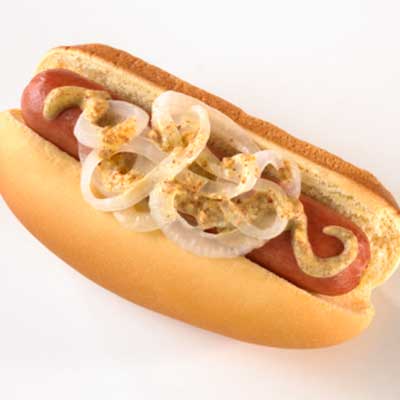
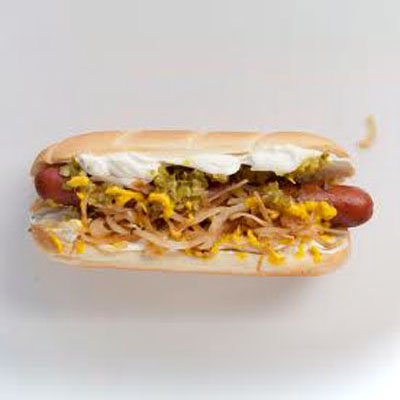
New Yorkers eat more hot dogs than any other group in the country. From downtown Manhattan to Coney Island, when you buy your hot dog in the Big Apple, it will come served with steamed onions and a pale, deli-style yellow mustard.
2.) Chicago
The possible antithesis to New York dogs, Chicago dogs are layered with yellow mustard, dark green relish, chopped raw onion, pickle spear, sport peppers, tomato slices and topped with a dash of celery salt and served in a poppy seed bun.
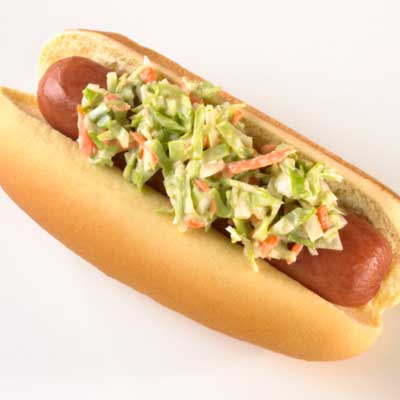
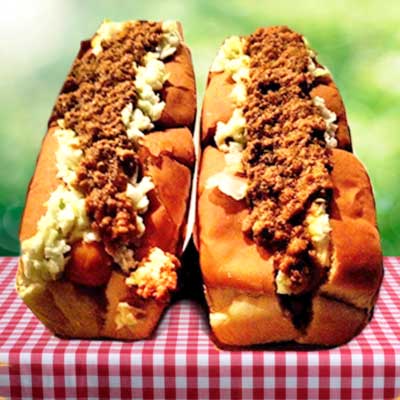
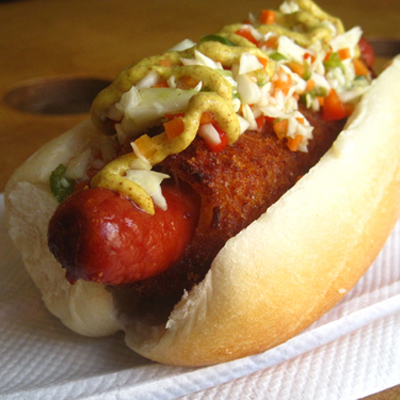
Buying a hot dog at Turner Field, home of the Atlanta Braves, or elsewhere in Atlanta and the south, you’ll find your dog topped with coleslaw and perhaps some delicious Vidalia onions.
4.) Kansas City
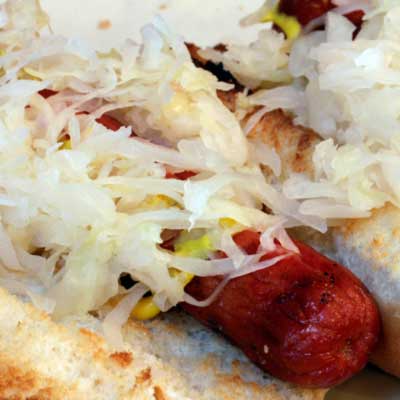
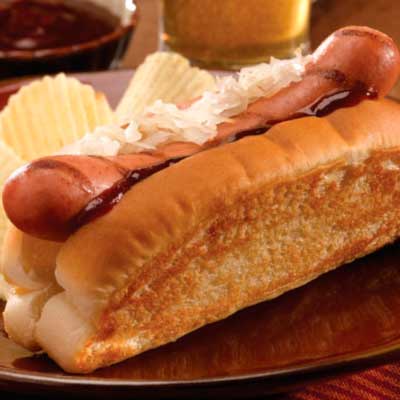
Get the mints out – you’ll need them when you order up a hot dog in KC as it is served with sauerkraut and melted Swiss cheese on a sesame seed bun.
5.) The Rockie Dog
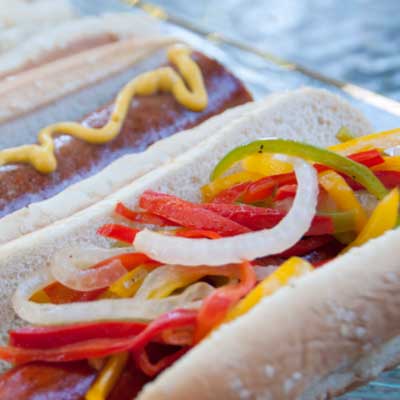
Served at Coors Field, the home of the Colorado Rockies – is a foot-long dog with grilled peppers, kraut and onions.
6.) The Fenway Frank
Served at none other than Fenway Park – is the only dog to eat while watching the Red Sox. It’s boiled and grilled and served in a New England style bun with mustard and relish. New England dogs can also be found topped with Boston baked beans
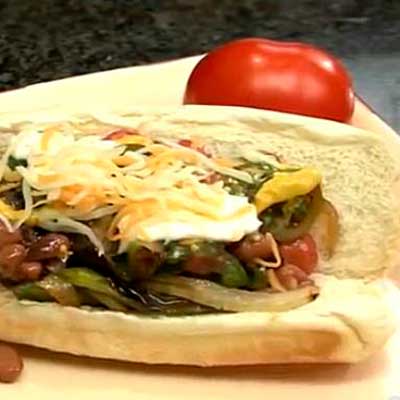
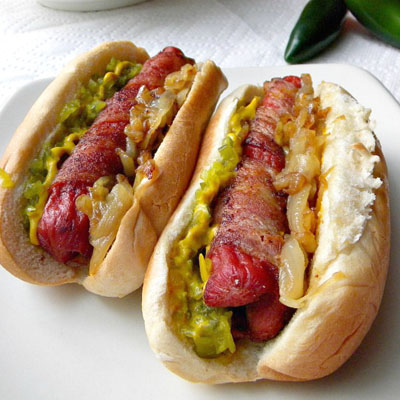
This Southwestern favorite features a grilled, bacon-wrapped hot dog on a sturdy bun, pinto beans, grilled onions and green peppers, chopped fresh tomatoes, relish, tomatillo jalapeno salsa, mayonnaise, mustard and shredded cheese.
8.) The Texas Dog
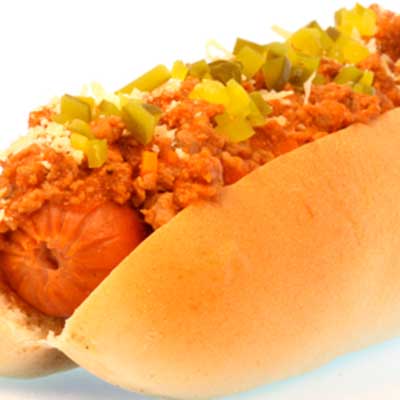
Chili, cheese and jalapenos make this the favored item at Minute Maid Park in Houston.
This favorite features chili, mustard and coleslaw atop a wiener on a steamed bun.
11.) New Jersey Dog
A variety of hot dog styles can be found in New Jersey but the one most unique to the state is the Italian Dog. It’s a hot dog in thick pizza bread topped with onions, peppers and deep fried potatoes.
12.) Philadelphia Dog
A classic Philadelphia dog is one of the most interesting ones you’ll find. It features the brotherly love of an all-beef hot dog with a fish cake inside the bun as well. It is often topped with a sweet vinegary slaw and spicy mustard.
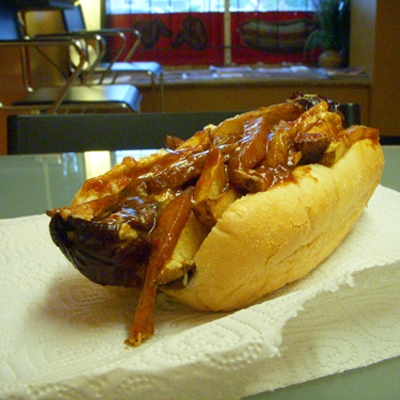
13.) Cleveland Polish Boy
Cleveland is home to two unique hot dog offerings. The Polish Boy is a kielbasa or hot dog served on a bun covered with a layer of french fries, a layer of sweet southern style barbecue sauce or hot sauce, and a layer of coleslaw. It is commonly found in carts around town. At Indians games and elsewhere in the city you can also top your hot dog with Stadium Mustard, a type of Brown mustard with similar flavor to a spicy Dijon mustard.
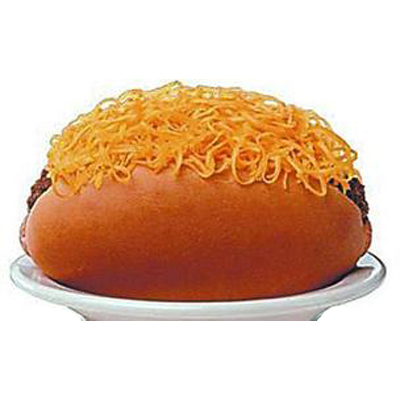
14.) Cincinnati Coney
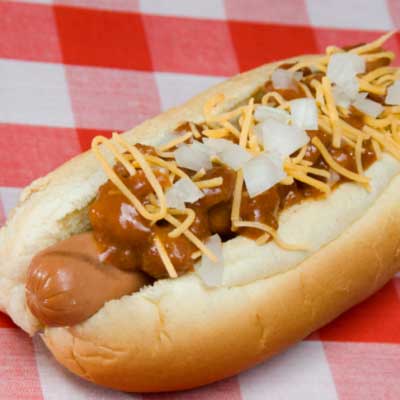
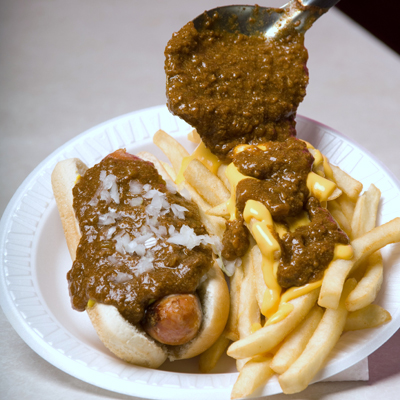
The home of famous chili is also the home of some delicious chili dogs. These are topped with Cincinnati style chili and usually also feature a heaping mound of grated cheddar cheese on top.
15.) Washington, D.C.
The Nation’s Capital is where you’ll find the half-smoke: a half pork, half beef sausage that is like a hot dog but with more coarsely ground meat and a little extra spice. A classic half-smoke is topped with chili, mustard and onions. You can find them in hot dog joints around the city as well as at Nationals Park.
16.) California
There are many different hot dog varieties sold throughout the state of California, but the one most unique to the state is a bacon wrapped dog with grilled onions and peppers. These are favorites from carts around Los Angeles and San Francisco.
17.) Seattle
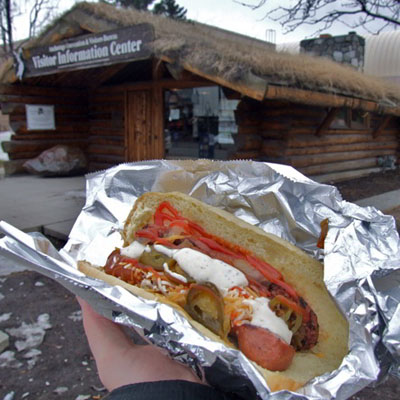
The Seattle dog offers a topping twist not found in many places around the country…cream cheese. The hot dogs are split in half and grilled before being put in a toasted bun and are also topped with grilled onions. Sriracha sauce and jalapeños are popular additions as well.
18) Alaska
True to its roots in the far north, the Alaska dog is commonly called a Reindeer hot dog or sausage, but it isn’t actually made from reindeer meat. Instead the meat is typically caribou. The hot dog is served in a steamed bun with grilled onions that are sometimes sautéed in coca-cola.
]]>UFCW’s Work to “Bring Value to Retailers and Customers” Highlighted on DealCrunch
https://www.ufcw.org/dealcrunch/
Wed, 14 Mar 2018 08:45:08 +0000http://www.ufcw.org/?p=29337UFCW Featured on DealCrunch.com: UFCW Fights to Improve the Pay and Quality of Life for the Workers Who Bring Value to Retailers and Customers By: Chris Curry The Crunch: The United Food & Commercial Workers International Union works daily to improve pay, benefits, and working conditions for its 1.3 million members. The UFCW is America’s largest private sector […]
UFCW Fights to Improve the Pay and Quality of Life for the Workers Who Bring Value to Retailers and Customers
By: Chris Curry
The Crunch: The United Food & Commercial Workers International Union works daily to improve pay, benefits, and working conditions for its 1.3 million members. The UFCW is America’s largest private sector labor union and represents the grocery, retail, and packing house workers who help the economy run. As technology threatens to automate many jobs, the UFCW is working to show the value that knowledgeable and professional associates bring to customers and businesses. The organization also helps members advance their careers through free college tuition and GED courses. In the modern labor movement, the UFCW stands up for working conditions — and work-life balance — that result in better jobs and a stronger labor force.
Take Super Bowl Sunday for instance. UFCW members work in the industries that provide some of the most popular items on the menus at parties across the country: Nathan’s Famous hot dogs, the Heinz Ketchup for those hot dogs, the Hidden Valley Ranch dressing for the chicken wings, and they even sell the avocados for the guacamole. The Jim Beam for the whiskey and Cokes came from a distillery whose workers are represented by the UFCW, and members made the leather for the footballs used in the game.
“Our members are behind the scenes in all these daily interactions and moments in people’s lives, from the Super Bowl to Christmas,” UFCW Communications Director Erikka Knuti said.
In addition to featuring the hard work UFCW members do and the value they have to offer, DealCrunch also highlighted a number of the education opportunities available to UFCW members and their family members:
Programs Help Prepare Members Through Education & Skills Training
In the modern workplace, businesses and employees both face a significant challenge in managing rapid change. And while companies allocate resources for change in the form of equipment or technology, preparing workers for an evolving workplace is often an afterthought.
The UFCW has introduced multiple programs to help members adapt to changes and progress in their careers and personal lives.
Free College for Career Advancement Opportunities
UFCW members and their families — spouses, domestic partners, children, stepchildren, and grandchildren — receive free tuition toward an online associate’s degree from Eastern Gateway Community College in Ohio. The arrangement covers all fees and ebooks for courses.
The free tuition program initially started with local labor unions in Ohio that recognized cost was the single biggest barrier to finishing college.
Erikka said in one particular case, the opportunity to pursue an early childhood education degree benefited both a UFCW member and the retail store where she works.
“She is taking early childhood development classes and gaining expertise while working in the baby aisle at her store,” Erikka said.
GED Courses to Help Workers Finish High School
Across the country, many frontline retail and grocery store workers drop out of high school to get a job and help support their families. Erikka said a new UFCW initiative is designed to help them.
“We’re about to roll out a program for people who didn’t finish high school to get their GED,” she said.
A GED will help workers meet qualifications for additional positions and open the door to pursuing an associate’s degree through the free tuition program at Eastern Gateway Community College.
Language Training to Improve Customer Service
English as a second language programs are also available to help UFCW workers better serve customers and advance in their careers. The UFCW will soon offer Spanish as a second language programs as well.
The skills that members learn through language courses will only add to their value in a retail setting, Erikka said.
“It all goes back to the value our members can offer a company,” she said. “The fact that they are taking early childhood development classes to better work in the baby products aisle and are interested in taking Spanish as a second language to better help customers, that is something that should be valued.”
Are you a UFCW member interested in learning more about these discounts and educational opportunities?